


How luck influences your casino success
The Role of Luck in Gambling
Luck is an intrinsic part of the gambling experience, often considered the primary factor determining success in casinos. While skill and strategy undoubtedly play a role in certain games, many casino patrons rely heavily on luck to tilt the odds in their favor. This unpredictability is what keeps the thrill alive for players, as each roll of the dice or spin of the wheel could lead to a life-changing payout, especially when exploring an online casino instant withdrawal option that offers quick access to winnings. Understanding how luck intertwines with chance can elevate the overall gaming experience.
At the core of every casino game is an element of randomness, which is why luck is sometimes perceived as the game’s only victor. For example, in games like slots, outcomes are determined by random number generators, making the concept of predictability irrelevant. Players approach the tables or machines with the hope that fortune will smile upon them, which can create an exhilarating atmosphere where anything seems possible.
Moreover, players often develop superstitions or rituals, believing they can influence their luck. Whether it’s wearing ‘lucky’ clothing or choosing specific seating arrangements, these practices reflect the importance of a psychological component in gambling. While statistically improbable effects of these beliefs can skew the understanding of luck, the emotional attachment to winning can bolster a player’s confidence, lifting their overall gambling experience.
Odds and Luck: A Delicate Balance
In the world of casino gaming, understanding odds is crucial, yet luck remains a persistent factor. The odds represent the mathematical probability of winning a game, which can provide players insight into their chances. However, despite having favorable odds, experiencing a streak of bad luck can lead to unexpected losses, demonstrating that luck can overshadow even the best strategies. This intricate balance creates a unique dynamic that drives players to return, eager for a chance to break even or win big.
The concept of variance is essential to grasp when discussing luck in the context of gambling. Variance refers to the fluctuations in a player’s short-term results compared to the expected averages. A player might encounter several consecutive losses, despite having a favorable expected value. This phenomenon highlights that while luck can bring about surprising outcomes, it can also lead to periods of downturns that seem unjustifiably long. Understanding variance can help players maintain realistic expectations about their gaming sessions.
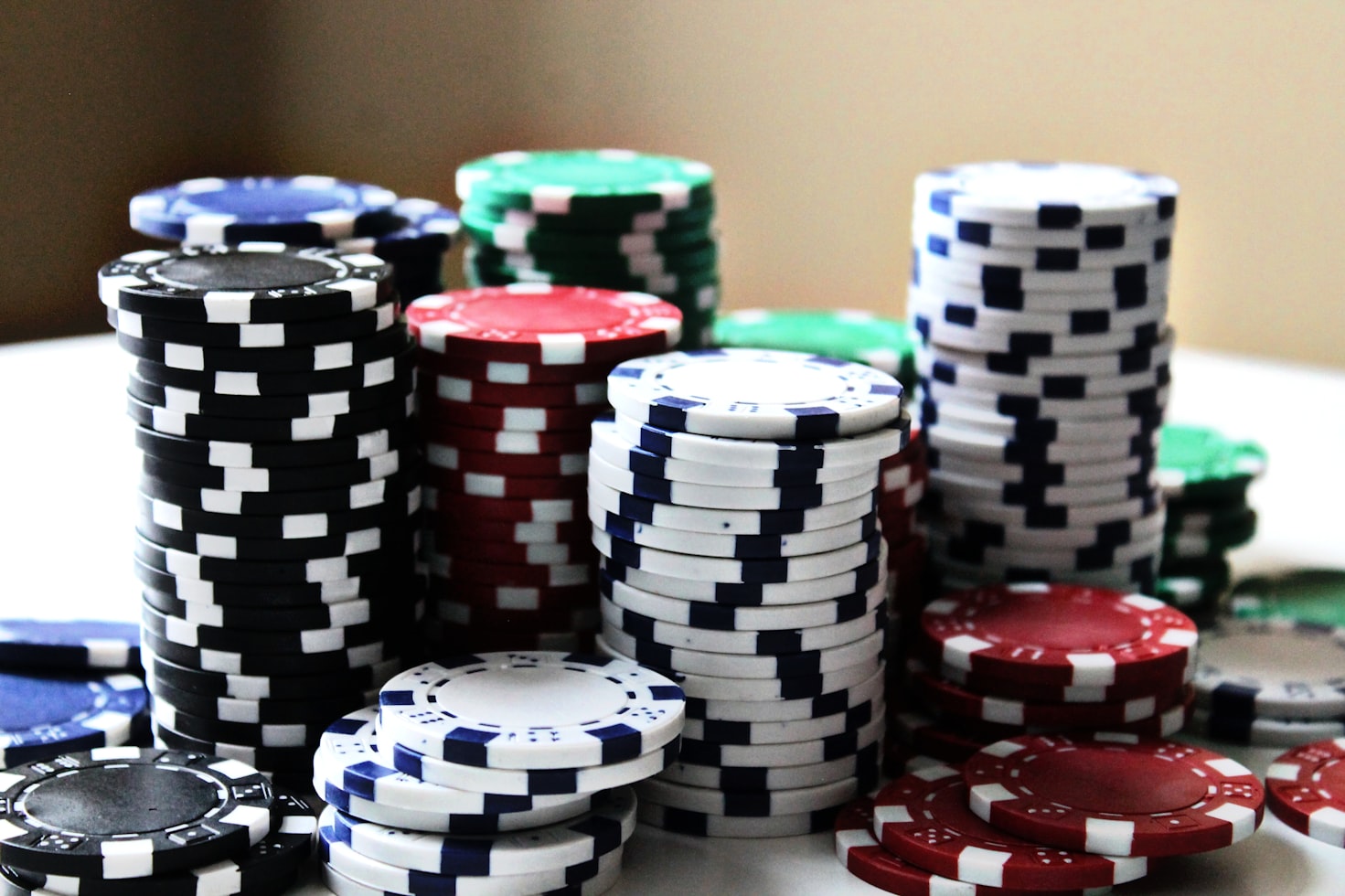
Additionally, luck often manifests in streaks. Players may find themselves on a winning streak where they seemingly cannot lose, followed by losing streaks that can feel equally as oppressive. This cyclical nature of luck can affect a player’s psychology, where past luck influences their emotional state and decision-making process. Casino operators are aware of this dynamic and create environments that amplify this feeling of streaks, knowing it keeps players engaged and hopeful for their next winning turn.
The Impact of Environment on Luck
The physical environment of a casino plays a subtle yet significant role in how players perceive luck. The lights, sounds, and even the layout of the casino contribute to a player’s experience and can enhance the feeling of fortune. For instance, brightly lit areas with vibrant colors can evoke feelings of excitement and optimism, making players feel as if they are in a lucky space. This sensory stimulation can amplify the belief that luck is on their side during their visit.
Furthermore, social dynamics in casinos can influence perceptions of luck. Players often share their experiences, exchanging stories about recent wins or losses, and this shared energy can create a communal sense of hope and enthusiasm. Witnessing other players hit jackpots or celebrate wins can instill a belief that luck is contagious, causing excitement to ripple through the space. This social aspect reinforces the idea that luck can be felt collectively, enhancing the overall experience for all involved.
Additionally, personal comfort levels can affect how players engage with luck. A player who feels relaxed and confident is more likely to embrace the uncertainty of gambling. In contrast, someone who is stressed or anxious may feel less lucky, which can impact their decisions and overall success at the tables. Therefore, cultivating a comfortable environment—both physically and emotionally—can play a paramount role in influencing the perceived luck of individuals as they navigate their gaming journeys.
The Psychology Behind Luck in Casinos
The psychological aspects of luck can significantly influence a player’s experience in the casino. Cognitive biases, such as the illusion of control, lead players to believe they can influence the outcome of random events. This perception can enhance their enjoyment and motivate them to engage more deeply in their gaming activities. For instance, players may believe they can affect the outcome of a roulette wheel by their choice of bets or the timing of their wagers, despite the game being purely based on chance.
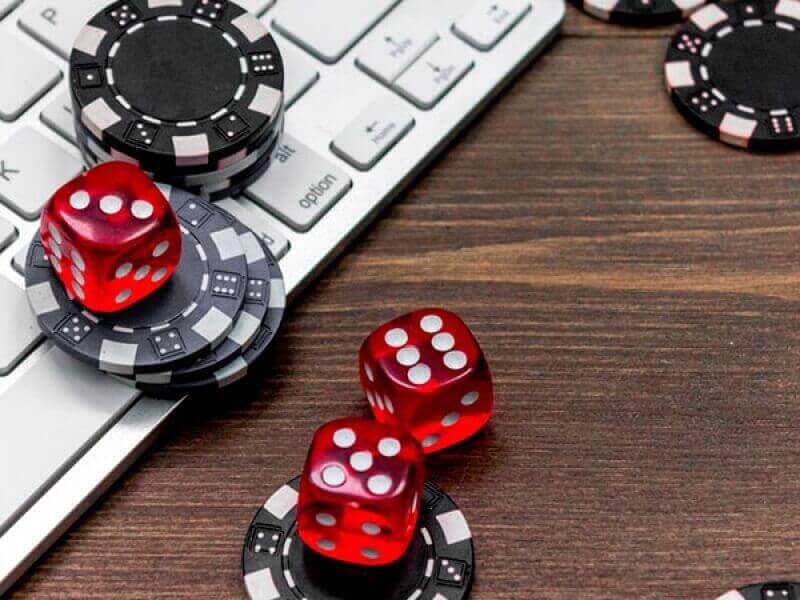
Additionally, the concept of the ‘gambler’s fallacy’ often emerges in discussions about luck. This cognitive bias leads players to believe that past events can influence future outcomes in random games. For example, if a particular number has not appeared in several spins of a roulette wheel, a player may feel that it is ‘due’ to come up soon. This misunderstanding of probability can influence betting behavior, leading players to make irrational decisions based on their beliefs about luck rather than statistical realities.
The excitement and anticipation associated with gambling are also deeply intertwined with luck. The thrill of not knowing the outcome can lead to heightened emotional responses, which can, in turn, affect how players experience luck. The adrenaline rush that comes with placing bets and waiting for results often drives individuals back to the gaming floor, forever hopeful that luck will favor them. This psychological cycle of hope, thrill, and the desire for luck creates an enduring allure that keeps players engaged and entertained.
Your Journey with Luck at Online Casinos
As online casinos continue to evolve, the impact of luck remains a central theme in the virtual gambling experience. Players engage with a variety of games, from slots to table games, all influenced by random number generators designed to simulate the unpredictability of traditional casinos. The convenience of gambling from home allows players to approach their gaming sessions with a unique mindset, where the element of luck is often amplified by the ease of access to their favorite games.
In the online setting, techniques to enhance feelings of luck can differ. Players often enjoy bonuses and promotions designed to boost their bankrolls, giving them a sense of extra chances or luck. Access to a wide range of games with varying odds allows players to tailor their experience based on their personal beliefs regarding luck and strategy, making the online format highly engaging and individualized.
Furthermore, the anonymity of online gambling can influence how players perceive luck. Without the social dynamics of a physical casino, players may rely more heavily on personal superstitions or strategies. The interaction with the platform becomes more solitary, which can alter how luck is perceived and experienced. As technology continues to advance, casinos will likely look to further integrate elements of luck into their gaming experiences, providing players with an ever-evolving adventure.