


What makes slot machines so addictive?
The Psychological Appeal of Slot Machines
Slot machines have a unique psychological appeal that draws players in and keeps them engaged for extended periods. One primary factor is the element of chance and unpredictability involved in each spin. Players are often enticed by the prospect of winning big, which stimulates the brain’s reward system. This anticipation can create a form of gambling excitement that many individuals find difficult to resist, especially when they explore options like online casino real money nz that promise thrilling experiences. The thrill of potentially striking it rich on a single spin can overshadow the reality of the odds, making it easy to become engrossed in the experience.
Additionally, slot machines often utilize vibrant graphics and immersive sound effects that heighten the overall gaming experience. These sensory elements are designed to capture players’ attention and create an engaging atmosphere. The bright lights and celebratory sounds that accompany wins can reinforce the desire to keep playing, as they evoke feelings of happiness and excitement. Over time, players may form a habit of seeking these pleasurable experiences, further solidifying their attraction to the machines.
Another psychological aspect that contributes to addiction is the concept of “near misses.” Slot machines are designed to give players the impression that they are close to winning, even when they do not actually win. This illusion can trick the brain into believing that a win is just around the corner, encouraging players to continue betting. The hope of achieving that elusive payoff can create a cycle of play that is hard to break, as individuals chase the high of potential success.
The Role of Reinforcement Schedules
Reinforcement schedules play a significant role in the addictive nature of slot machines. A variable ratio reinforcement schedule, where wins occur unpredictably, is particularly effective in maintaining player engagement. This type of schedule means that players receive rewards at irregular intervals, which keeps them uncertain about when the next win will occur. This unpredictability can create an addictive loop, as players feel compelled to continue playing in hopes of hitting a jackpot.
The element of surprise is another crucial factor in reinforcement schedules. Players who win sporadically are more likely to return to the machine, unlike other gaming formats where winnings may happen at a more predictable rate. This irregular frequency of rewards can make the gaming experience more captivating, as each spin can potentially lead to a significant payout. This aspect of reinforcement contributes to the prolonged engagement of players, as they continuously seek that next exciting moment.
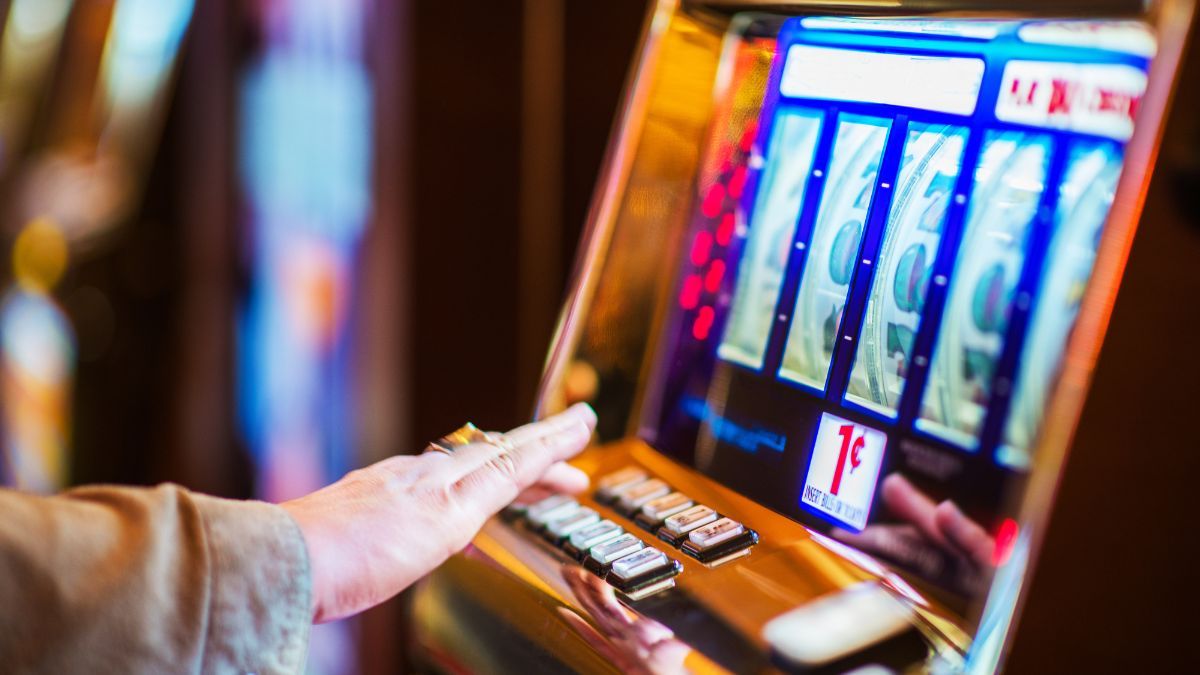
Additionally, reinforcement schedules can be influenced by the design and mechanics of the machines themselves. Many slots are engineered to keep players engaged by providing small wins more frequently, which can give a false sense of success. These small rewards can create a perception of ongoing success, making it feel as though players are winning more than they actually are. This clever design encourages longer play sessions, feeding into the overall allure and addiction to slot machines.
The Impact of Socioeconomic Factors
Socioeconomic factors greatly influence why some individuals may become more addicted to slot machines than others. People facing economic challenges may turn to gambling as a means of escape or an opportunity to improve their financial situation. For some, the allure of a jackpot represents hope and possibility. Unfortunately, this can lead to a dangerous cycle, where players may gamble more aggressively in pursuit of recovery or financial relief, ultimately leading to increased levels of addiction.
Moreover, social environments can play a role in promoting gambling behaviors. In areas where casinos are prevalent, the normalization of gambling can lead to increased participation among residents. Friends and family members engaging in gambling can create a sense of community around the activity, making it easier for individuals to justify their own play. This social acceptance can diminish the perceived risks associated with gambling, increasing the likelihood of addiction.
Additionally, marketing strategies used by casinos and gambling establishments can manipulate socioeconomic factors to attract players. Promotions such as free spins, loyalty rewards, and jackpots target both new and existing players, enticing them to spend more time at the machines. This targeted approach can exploit vulnerabilities among individuals struggling financially, further perpetuating the cycle of addiction and reinforcing the bond between players and slot machines.
The Influence of Technology on Gambling Addiction
Advancements in technology have played a significant role in the growing addiction to slot machines. Modern machines are equipped with sophisticated software that can analyze player behavior and adjust gameplay to encourage longer play sessions. This customization allows machines to engage players effectively, maximizing both excitement and the potential for increased spending. The result is that players may find it difficult to walk away from the machine once they have started playing, as the experience is tailored to their preferences.
Moreover, the rise of online casinos and mobile gaming has made slot machines more accessible than ever. Players can now gamble from the comfort of their homes or on-the-go, reducing barriers to access and increasing the frequency of play. The convenience of digital gaming means that individuals can engage with slot machines at any time, amplifying the potential for addiction. This accessibility can deepen problematic behaviors, as players may feel it is easier to justify a quick session of play.
Not only has technology enhanced the overall gaming experience, but it has also made it easier to develop features that encourage addictive behaviors. For instance, autoplay functions permit players to spin multiple times without manually engaging with the machine, which can lead to mindless play. This convenience, combined with enticing visuals and sounds, can lead individuals to lose track of time and money spent, further entrenching them in the cycle of addiction.
Understanding Slot Machine Addiction
Understanding the addictive nature of slot machines is essential for both players and those working in the gambling industry. Recognizing the psychological, technological, and social factors at play can help players make informed decisions about their gambling activities. Education and awareness are key elements in combating addiction, allowing individuals to identify warning signs and seek help when necessary. Having comprehensive knowledge of how slot machines operate can empower players to engage responsibly and with moderation.
As gambling continues to evolve, it is crucial for stakeholders, including casinos and regulatory bodies, to prioritize responsible gaming initiatives. Incorporating features such as self-exclusion programs, limits on play, and access to support resources can help mitigate the risk of addiction. Additionally, promoting awareness campaigns targeting the psychological and social aspects of gambling addiction can foster a safer gaming environment for all players.
Ultimately, understanding the intricate dynamics of slot machine addiction is vital for constructing a healthier approach to gambling. By recognizing the factors that contribute to addictive behaviors, individuals and organizations can work together to ensure that gaming remains an enjoyable activity rather than a harmful obsession. Awareness and proactive measures are essential in navigating the complexities of gambling in today’s society.